
Posts by Tim Sempf
TRX / suspension training 6 great exercises to try!
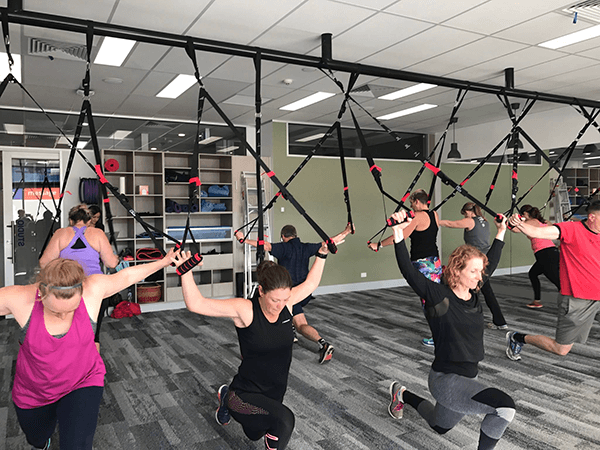
TRX a suspension training method, is not a novel exercise form. It has been around for years. Created for the US military by a navy seal in 1997. Suspension training was designed so people could sustain fitness with little equipment anywhere, any time. The TRX equipment is designed to be hung from doors, trees or…
Read MoreStrength training: 7 great tips for building a stronger you!

Strength training is useful to maintain or improve your health at any age . Not only does weight bearing exercise help us build strength and muscle mass. Strength training also helps maintain and strengthen bone density. When starting strength training for the first time, after injury or after some time off, remember to start gradually. If you…
Read MoreChronic Pain: How to Reduce Your Pain

To understand how to reduce pain or the risk of you getting pain, we must first understand what pain is and what can contribute to it. Pain is a subjective experience that is different for everyone. It is a warning signal from the body that something needs to change in some way. Pain occurs due…
Read MoreParents – What You Need to Know About Scoliosis

Scoliosis is commonly known as a curvature of the spine. Scoliosis is not seen as a diagnostic term but more as a description of a sideways curvature accompanied by a vertebral twist. Scoliosis is rarely found as a significantly debilitating condition. The curve of the spine in healthy individuals is meant to be vertical or…
Read More